Where to ride in San Bernardino County
No single San Bernardino County corridor covers the county. The routes below mix published lengths from each trail's own manager listing with honest access records where no named measured route was located. Surfaces range from asphalt city paths to crushed-stone and ballast rail beds. Coastal fog and marine wind change range on the same morning, Central Valley heat and inland valleys punish a midsummer return, and Sierra or mountain corridors can close after snow or an afternoon storm.
Compare the five route options
No single route fits every rider or every electric bicycle. Compare distance, starting point, surface, and managing authority before choosing.
Cactus Trail
Start from The Cactus Trail is a short multiuse trail that runs north and south of Cactus Avenue between W Rialto Avenue and W Baseline Road in the City of Rialto.. The documented distance is 1.5 miles published length. Expect Concrete. Confirm the access note before choosing this over another San Bernardino County option.
Colton Rail-Trail
Start from San Bernardino County published trail access -- confirm the trailhead on the managing-source page. The documented distance is 1.9 miles published length. Expect aggregate. Confirm the access note before choosing this over another San Bernardino County option.
Deer Creek Bike Path
Start from The channelized Deer Creek that travels throughout Rancho Cucamonga and San Bernardino County provides water for the surrounding community, but the Deer Creek B. The documented distance is 4.8 miles published length. Expect aggregate. Confirm the access note before choosing this over another San Bernardino County option.
Orange Blossom Trail
Start from The Orange Blossom Trail, which will one day stretch 7.5 miles traverses the city of Redlands, CA along a two-lane asphalt surface separated from major roadways. The documented distance is 3.5 miles published length. Expect aggregate. Confirm the access note before choosing this over another San Bernardino County option.
Pacific Electric Inland Empire Trail
Start from The Pacific Electric Inland Empire Trail (also known as the Pacific Electric Trail) traverses the communities of Upland, Rancho Cucamonga, Fontana, and Rialto i. The documented distance is 20.0 miles published length. Expect aggregate. Confirm the access note before choosing this over another San Bernardino County option.
eBike shop hubs
Use these city directories for addresses, phone numbers, detail pages, and claim links. A city page is a contact index, not proof of current rental stock or route access.
Rental and tour contacts
These 1 existing cards are categorized as rental, tour, or outfitter contacts. Call before planning around inventory, guide availability, shuttles, or trail permission.
Bicycle rental service · Fawnskin, CA
★★★★★5.0(29 reviews)
📍 39122 N Shore Dr Fawnskin, CA 92333
📞 (909) 916-1664
Named eBike routes and access checks
1. Cactus Trail
Distance: 1.5 miles published length
Start: The Cactus Trail is a short multiuse trail that runs north and south of Cactus Avenue between W Rialto Avenue and W Baseline Road in the City of Rialto.
Surface and rider fit: Concrete
eBike access: eBike access: Cactus Trail is a manager-listed bicycling route over concrete. Vehicle Code 312.5 sorts electric bicycles into Class 1, Class 2 and Class 3, but the managing authority can be narrower, so confirm the current notice for this segment before riding it from San Bernardino County.
Etiquette and planning: Documented corridor serving San Bernardino counties. Treat the published length as the whole corridor, not a county-exclusive loop, and plan the turnaround by time and battery. From San Bernardino County, treat this as a drive-in option rather than a local loop.
Cactus Trail official or managing-source information
2. Colton Rail-Trail
Distance: 1.9 miles published length
Start: San Bernardino County published trail access -- confirm the trailhead on the managing-source page
Surface and rider fit: aggregate
eBike access: eBike access: Colton Rail-Trail is a manager-listed bicycling route over aggregate. Vehicle Code 312.5 sorts electric bicycles into Class 1, Class 2 and Class 3, but the managing authority can be narrower, so confirm the current notice for this segment before riding it from San Bernardino County.
Etiquette and planning: Documented corridor serving San Bernardino counties. Treat the published length as the whole corridor, not a county-exclusive loop, and plan the turnaround by time and battery. From San Bernardino County, treat this as a drive-in option rather than a local loop.
Colton Rail-Trail official or managing-source information
3. Deer Creek Bike Path
Distance: 4.8 miles published length
Start: The channelized Deer Creek that travels throughout Rancho Cucamonga and San Bernardino County provides water for the surrounding community, but the Deer Creek B
Surface and rider fit: aggregate
eBike access: eBike access: Deer Creek Bike Path is a manager-listed bicycling route over aggregate. Vehicle Code 312.5 sorts electric bicycles into Class 1, Class 2 and Class 3, but the managing authority can be narrower, so confirm the current notice for this segment before riding it from San Bernardino County.
Etiquette and planning: Documented corridor serving San Bernardino counties. Treat the published length as the whole corridor, not a county-exclusive loop, and plan the turnaround by time and battery. From San Bernardino County, treat this as a drive-in option rather than a local loop.
Deer Creek Bike Path official or managing-source information
4. Orange Blossom Trail
Distance: 3.5 miles published length
Start: The Orange Blossom Trail, which will one day stretch 7.5 miles traverses the city of Redlands, CA along a two-lane asphalt surface separated from major roadways
Surface and rider fit: aggregate
eBike access: eBike access: Orange Blossom Trail is a manager-listed bicycling route over aggregate. Vehicle Code 312.5 sorts electric bicycles into Class 1, Class 2 and Class 3, but the managing authority can be narrower, so confirm the current notice for this segment before riding it from San Bernardino County.
Etiquette and planning: Documented corridor serving San Bernardino counties. Treat the published length as the whole corridor, not a county-exclusive loop, and plan the turnaround by time and battery. From San Bernardino County, treat this as a drive-in option rather than a local loop.
Orange Blossom Trail official or managing-source information
5. Pacific Electric Inland Empire Trail
Distance: 20.0 miles published length
Start: The Pacific Electric Inland Empire Trail (also known as the Pacific Electric Trail) traverses the communities of Upland, Rancho Cucamonga, Fontana, and Rialto i
Surface and rider fit: aggregate
eBike access: eBike access: Pacific Electric Inland Empire Trail is a manager-listed bicycling route over aggregate. Vehicle Code 312.5 sorts electric bicycles into Class 1, Class 2 and Class 3, but the managing authority can be narrower, so confirm the current notice for this segment before riding it from San Bernardino County.
Etiquette and planning: Documented corridor serving San Bernardino counties. Treat the published length as the whole corridor, not a county-exclusive loop, and plan the turnaround by time and battery. From San Bernardino County, treat this as a drive-in option rather than a local loop.
Pacific Electric Inland Empire Trail official or managing-source information
Half-day and full-day eBike plans
Half day from San Bernardino County: start with Cactus Trail at the published San Bernardino County access and turn around at half your comfortable range.
Full day from San Bernardino County: combine Colton Rail-Trail with Deer Creek Bike Path only if weather, surface and battery reserve support both, and keep the third as a San Bernardino County fallback.
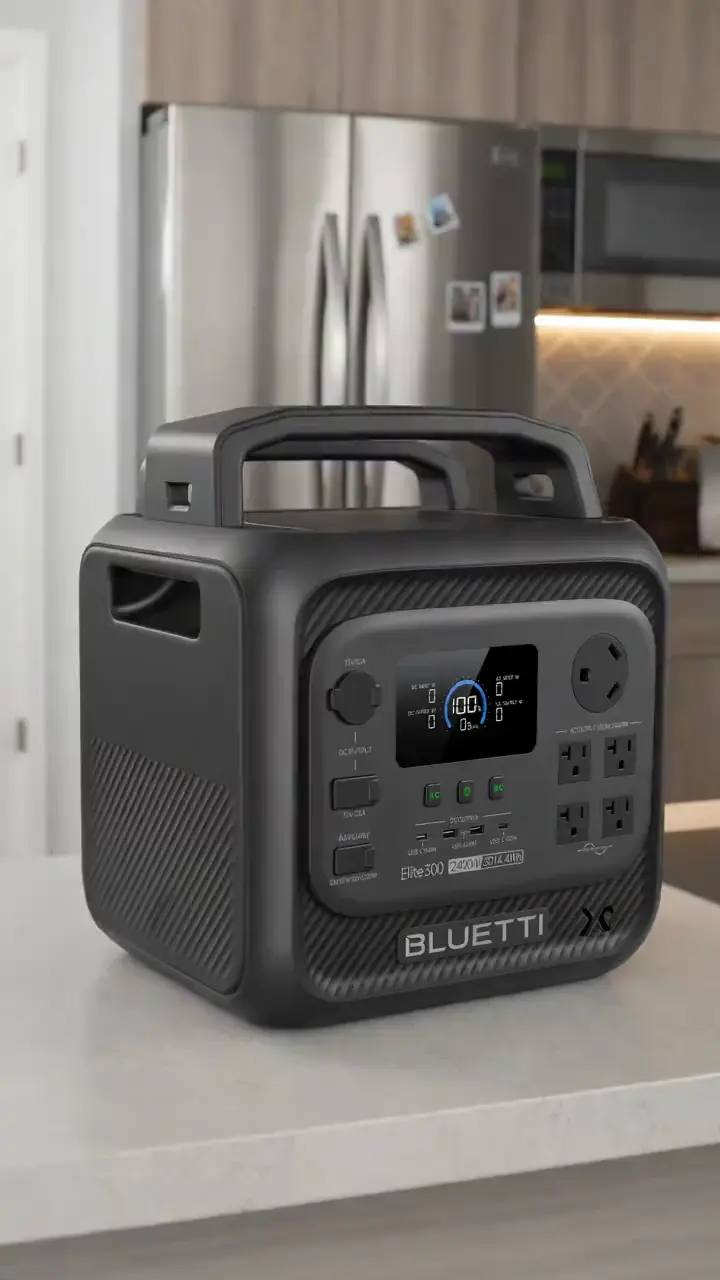
For a route day in San Bernardino County, carry water, a charged phone, the managing source, and only the tools you know how to use. A portable power station for a San Bernardino County trailhead base is an optional charging accessory, not permission to plug in or a substitute for conservative range planning. Build the San Bernardino County return around the battery already on the bike; never assume a public trailhead outlet is available.
Plan the route, service stop, and return together
A useful San Bernardino County plan starts with one documented route, not a list of pins. Compare Cactus Trail, Colton Rail-Trail, and Deer Creek Bike Path by start point and surface. Put the longest or least certain option first only when weather, daylight, and battery reserve support it. Otherwise, choose the shorter confirmed outing and keep the second route as a true fallback.
Use Fawnskin as the first service hub for San Bernardino County riders because it is represented by an existing directory card. Call about repairs or rentals before driving. A shop cannot override a park, trail authority, road closure, or private owner. Keep the manager’s source open on the same phone that holds the route and emergency contacts.
For each of the five San Bernardino County entries above, note whether the mileage is a loop, one way, or chosen by turnaround. Then budget the full return. Surface, elevation, temperature, wind, rider weight, assist level, and tire pressure all change consumption. Leave enough reserve to return without searching for an outlet. If the published information is incomplete, shorten this county ride rather than converting uncertainty into a precise claim.
What not to ride in San Bernardino County
Do not ride a San Bernardino County river path or rail corridor during flooding, and do not assume a converted rail bed is paved. Avoid exposed alpine and high-plains corridors at midday in July and August, do not treat a nearby-county or regional route as a local loop, and do not ride a high-country path during an afternoon thunderstorm or before snowmelt has cleared the surface.
When to ride San Bernardino County
April through June and September through October are the best San Bernardino County months for a long ride. Summer riding works early or late, and winter city paths depend on whether the city has cleared snow and ice.
California eBike laws and route permission
California Vehicle Code 312.5 defines an electric bicycle as a bicycle with fully operable pedals and an electric motor that does not exceed 750 watts. Class 1 assists only while the rider is pedaling and stops assisting at 20 mph. Class 2 may propel the bicycle without pedaling and is not capable of providing assistance at 20 mph. Class 3 assists only while the rider is pedaling, stops assisting at 28 mph, and is equipped with a speedometer. A Class 1 or Class 3 bicycle may have start assistance or a walk mode up to 3.7 mph. The same section requires a permanent label, in Arial of at least nine-point type, with the classification number, top assisted speed, and motor wattage.
Vehicle Code 24016, as amended effective January 1, 2026, requires CPSC bicycle equipment (16 C.F.R. 1512.1 and following) and a motor that disengages when the brakes are applied or when a switch is released. A person operating an electric bicycle is not subject to the financial-responsibility, driver-license, registration, or license-plate rules, and an electric bicycle is not a motor vehicle. The section also forbids tampering that takes the bicycle outside the 312.5 definition unless the label is replaced, and forbids selling a product that modifies an electric bicycle so it no longer meets that definition.
Vehicle Code 21213 says a person under 16 shall not operate a Class 3 electric bicycle. On a street, bikeway, or other public bicycle path or trail, a person shall not operate a Class 3 electric bicycle, or ride as a passenger, unless that person is wearing a properly fitted and fastened ASTM or CPSC bicycle helmet. That Class 3 helmet rule has no age cutoff. Vehicle Code 21212 separately requires a person under 18 who operates a bicycle on a street, bikeway, or public bicycle path or trail to wear an ASTM or CPSC helmet. Vehicle Code 21207.5 lets a local authority prohibit an electric bicycle, or any class of electric bicycle, on an equestrian, hiking, or recreational trail, and lets the Department of Parks and Recreation prohibit an electric bicycle or any class on a path or trail in its jurisdiction. Trail access remains manager-specific.
Planning notes for San Bernardino County
San Bernardino County planning starts with the surface, not the shop list. 5 of the five routes below carry a published length taken from that trail's own manager listing, and the rest are labelled as regional day trips rather than local loops. Ride Cactus Trail first from The Cactus Trail is a short multiuse trail that runs north and south of Cactus Avenue between W Rialto Avenue and W Baseline Road in the City of Rialto. and treat its published length as the whole corridor, so pick a turnaround point that still leaves battery for the ride back. San Bernardino County surfaces run from asphalt city paths to crushed stone, ballast and cinder rail beds, and a wider tyre is worth more here than more motor. Check the managing agency notice for the exact segment on the morning you ride, because a closure, a resurfacing or a seasonal gate changes the plan more than any spec sheet does.
Frequently asked questions
Where should I start planning an eBike ride in San Bernardino County?
Start with Cactus Trail for a San Bernardino County ride. Its documented start is The Cactus Trail is a short multiuse trail that runs north and south of Cactus Avenue between W Rialto Avenue and W Baseline Road in the City of Rialto.. Check the linked manager information, current closures, and the posted access rule before travelling. Settle this before you ride a San Bernardino County route.
Does every bicycle route in San Bernardino County allow every eBike class?
No. Vehicle Code 312.5 sorts electric bicycles into Class 1, Class 2 and Class 3, but a San Bernardino County route can still be narrower. Vehicle Code 21207.5 lets a local authority prohibit an electric bicycle or any class on an equestrian, hiking, or recreational trail, and lets the Department of Parks and Recreation prohibit a class on a path or trail in its jurisdiction. Confirm the posted rule before you ride. Settle this before you ride a San Bernardino County route.
What helmet rule applies to electric bicycles in California?
Vehicle Code 21213 says a person under 16 shall not operate a Class 3 electric bicycle. On a street, bikeway, or public bicycle path or trail, the Class 3 operator and every passenger must wear a properly fitted and fastened ASTM or CPSC helmet, with no age cutoff in that section. Vehicle Code 21212 separately requires a person under 18 operating a bicycle on those facilities to wear a helmet. Confirm the posted rule for the San Bernardino County segment you plan to ride. Settle this before you ride a San Bernardino County route.
Do the San Bernardino County directory cards confirm rentals or battery repair?
No, and that applies to the San Bernardino County cards specifically. A directory card is a contact lead. Call with the date, rider height, bike brand, motor system, and intended route. Ask the business to confirm the exact rental, diagnostic, or repair service before travelling. Settle this before you ride a San Bernardino County route.
How should I estimate range for a San Bernardino County ride?
Use the full return distance for Cactus Trail or the chosen alternative, not a best-case manufacturer range. Include elevation, surface, weather, detours, and the least confident rider in the plan. Settle this before you ride a San Bernardino County route.
What should I do when a San Bernardino County trailhead, bridge, or access road is closed?
On a San Bernardino County route, turn around and follow the manager’s closure notice. Do not bypass barriers or cross private property. Choose a separately confirmed route rather than inventing a connection on the ground. Settle this before you ride a San Bernardino County route.
All eBike shops in San Bernardino County
The complete local directory is the San Bernardino County eBike shops and repair contacts page. This guide owns route planning; the county hub owns the full shop list.