1 eBike Shop in Sullivan County, NH
Sullivan County's verified eBike directory currently has one listed shop in Claremont. The Wheel House is the local place to start for a bicycle purchase, service question, or route-day preparation.
Plan things to do on an eBike in Sullivan County before you set out, then confirm conditions and access with the relevant trail manager.
Claremont, NH eBike Shops
Where riders actually ride
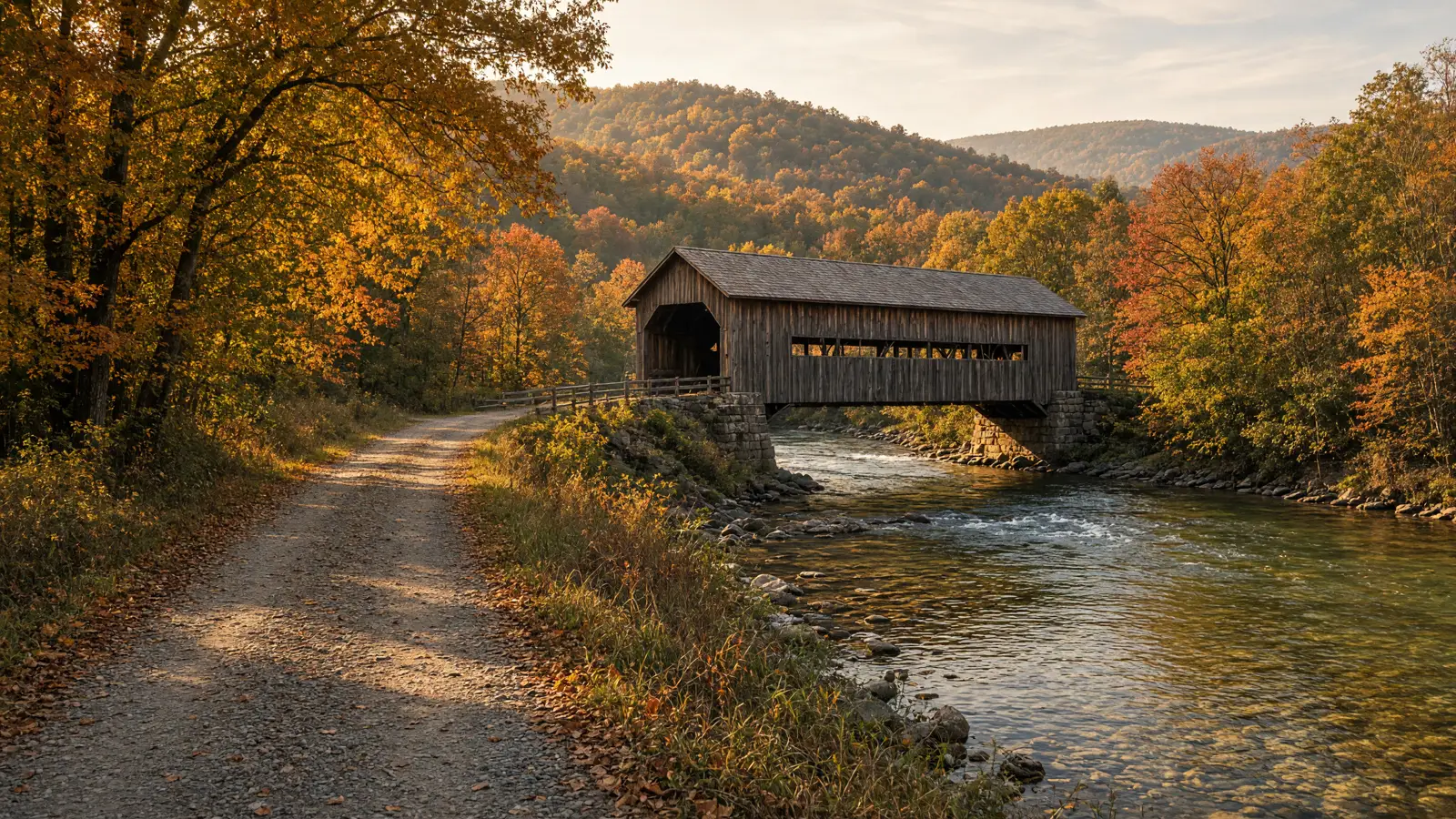
Sullivan County riding starts with the Sugar River Recreational Rail Trail, a verified 9.5-mile corridor between Newport and Claremont. It crosses the Sugar River seven times, including two historic covered railroad bridges, and its ballast, gravel, and sand surface calls for an all-terrain setup. The Bobby Woodman Rail Trail is a separate 1.7-mile dirt and gravel route from West Pleasant Street to the Sugar River Trail in Claremont. For paved mixed-traffic scenery, NH 12A follows the Connecticut River Byway toward the Cornish-Windsor Covered Bridge and Saint-Gaudens National Historical Park. Read the full Things to do on an eBike in Sullivan County guide for verified starts, surfaces, and etiquette.
eBike rules in New Hampshire
RSA 265:144-a gives eBikes the rights and duties of bicycles, without treating them as motor vehicles for licensing, registration, or insurance. Class 1 and Class 2 eBikes may be ridden on bicycle or multi-use paths where bicycles are permitted, unless the managing jurisdiction prohibits them. Class 3 eBikes cannot use a bicycle or multi-use path unless the path is within or adjacent to a highway or the jurisdiction specifically permits Class 3 access. On DNCR properties, the published speed limit is 20 mph unless signs say otherwise. Riders under 16 may not operate Class 3, and a Class 3 bike needs a speedometer. See the complete New Hampshire eBike laws guide and the official RSA 265:144-a text.
Cities in Sullivan County
Sullivan County has one city directory currently represented here: eBike shops in Claremont. The Wheel House listing is in Claremont at 18 Robert Easter Way. Use the county guide for the wider trail geography rather than assuming every named corridor has a shop or rental counter.
Frequently asked questions
Where can I buy or service an electric bike in Sullivan County NH?
The Wheel House at 18 Robert Easter Way in Claremont is the verified Sullivan County bicycle shop listing, with sales, service, and repair information shown in the directory card.
Where are the best eBike trails in Sullivan County?
The 9.5-mile Sugar River Recreational Rail Trail between Newport and Claremont is the clearest rail-trail choice. Bobby Woodman Rail Trail adds a 1.7-mile Claremont connection, while NH 12A provides a paved Connecticut River corridor.
What are New Hampshire's eBike rules in Sullivan County?
Under RSA 265:144-a, eBikes have bicycle rights and duties. Class 1 and Class 2 may use bicycle or multi-use paths where bikes are permitted, while Class 3 path access is more limited. DNCR properties have a 20 mph limit unless signed otherwise.
Are there eBike rentals available in Sullivan County?
No verified rental listing is on file for Sullivan County. Contact The Wheel House in Claremont about current sales or service options, and check the Claremont city page for the local directory.
Sullivan County is a useful place to match the bike to the outing. The Sugar River corridor rewards a stable setup that can handle natural surfaces, while the Connecticut River Byway and the Lake Sunapee highways require a road-aware approach with visibility around traffic. Pillsbury is a different category again, with a park trail network for more experienced bicyclists. A shop directory should not blur these differences, and neither should a route plan.
Before a first visit, verify the day's access, weather, parking, and surface conditions with the relevant park or trail authority. Bring a charged battery, water, and a way to secure the bicycle when visiting destinations on foot. If your question is about a specific class, path, or local restriction, read the statute and agency guidance linked above rather than relying on a general trail description. The directory card is intentionally concise: it preserves the verified address, phone number, website, directions link, rating, review count, and claim path without adding services that were not supplied in the research file. That makes it a practical first stop for riders coming from either end of the rail trail. Use the trail authority links on the Things To Do page to check current conditions, closures, seasonal access, and any posted local restrictions before loading the bike. When a route changes from a managed trail to a public road, plan for traffic, visibility, and a legal place to park or lock the bike. The county hub is for finding the shop; the linked guide is for choosing among the verified riding corridors.