The Feds Want to Regulate E-Bike Batteries. Here's How to Shop and Charge Before the Rule Lands
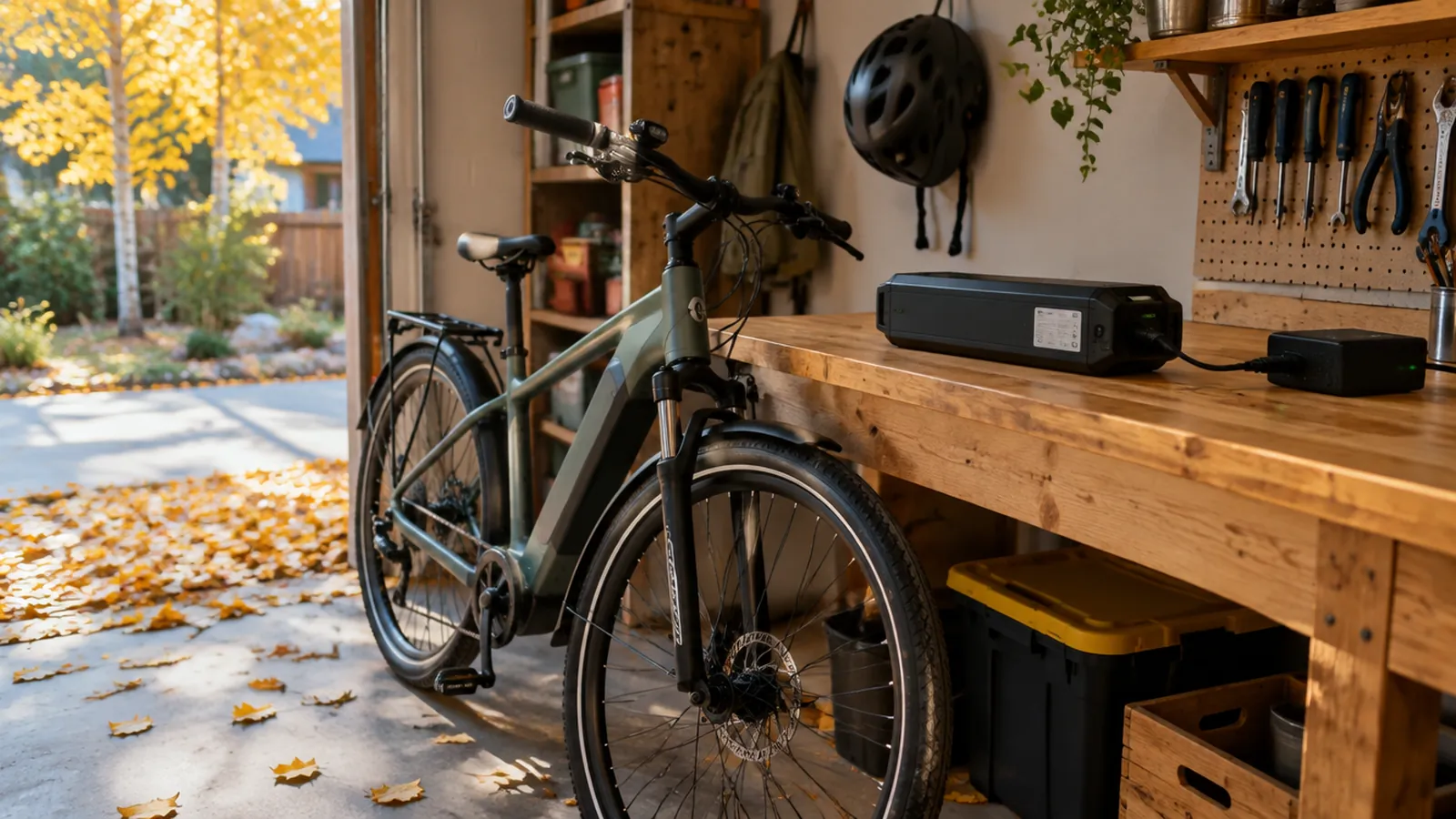
The right charger, a bench you can see, and a pack with a real certification label. That's most of what the new rule is about.
On October 5, the Consumer Product Safety Commission put a date on something e-bike riders have been waiting on for years. It will hold a virtual public hearing on October 21 at 10 a.m. Eastern on a proposed federal safety standard for lithium-ion batteries in e-bikes, e-scooters, hoverboards and similar rides. Nothing about your bike changes this week. But the rule tells you exactly what regulators think a safe battery looks like, and you can use that today.
What the proposed rule actually says
The CPSC first published the proposal on June 24, 2026. Written comments closed August 24. The October notice adds the hearing.
In plain terms, it would require e-bikes and other micromobility products to meet existing UL standards, plus some extra tests:
UL 2849 for the whole e-bike electrical system (battery, charger, motor and controller tested together).
UL 2271 for replacement battery packs sold on their own.
UL 2272 for scooters, hoverboards and other personal e-mobility devices.
CPSC proposed rule →One of the added tests targets mismatched and reverse-polarity charging. That matters, because a cheap universal charger is one of the most common ways people get into trouble.
There's no final rule yet, and no effective date. Expect more back and forth after the hearing.
Why this is coming now
Battery fires are the reason. The CPSC's own proposal cites thermal runaway, where a damaged or defective cell overheats and sets off the cells around it. The result can be fire, toxic smoke and, in the worst cases, deaths. We covered the numbers in New York in our September charging checklist.
States aren't waiting either. California signed three e-bike laws on September 30, including one aimed at shops selling 28+ mph electric motorcycles as "e-bikes." New Jersey's new licensing and registration law has riders and shops pushing back, with some shops reporting sales down sharply since it took effect in July. The common thread: lawmakers want buyers to know what they're actually getting.
How to shop for a bike or battery right now
Here's the short checklist we'd use for our own money.
- Look for the UL 2849 mark on the bike, not just "UL cells." "Uses certified cells" is not the same thing. Cells can be fine while the pack, wiring or charger isn't. Ask for UL 2849 certification of the full system, from a recognized lab (UL, Intertek/ETL, TÜV and others).
- For a replacement battery, ask for UL 2271. And buy one made for your bike. A pack that "fits" a dozen brands is a red flag.
- Keep the receipt and photograph the labels. If there's ever a recall, a warranty claim or an insurance question, you'll want proof of what you bought and where. Our motor-label garage check shows where to look.
- Ask who services it. This is the part online listings skip. A local shop can check a battery that's been dropped, swap a frayed charger cable, and tell you honestly when a pack is done. Our state and county directory lists local e-bike dealers and service shops, and many have verified details posted by the owners themselves.
- Be wary of anything sold as an e-bike that tops 28 mph. That's a motorcycle in most states. The insurance, licensing and battery size are all different. See e-bike laws by state.
Charging habits that matter more than any label
Certification lowers the risk. How you charge does the rest.
- Use the charger that came with the battery. Not a borrowed one, not a faster one from a marketplace listing.
- Charge where you can see and hear it. A garage workbench beats a bedroom or a hallway you'd need to escape through.
- Unplug when it's done. Most packs don't need to sit on the charger overnight.
- Let a hot battery cool for 20 to 30 minutes after a long or hilly ride before plugging it in.
- Never use a homemade or rebuilt pack. The CPSC calls these out directly.
Warning signs that mean stop using it: swelling, a sweet or chemical smell, hissing or popping, a case that's cracked, or a battery that gets hot on the charger when it never used to.
Putting your bike away for winter
Fall is when a lot of bikes go into storage, and it's when we see the same questions every year. Most manufacturers say roughly the same thing:
- Store the battery at about 40 to 60 percent, not full and not empty.
- Keep it somewhere dry and above freezing, ideally room temperature. A detached shed in a cold-winter county is a poor spot.
- Top it back to that range every month or two. Lithium packs slowly drain on their own.
- Don't charge a battery that's below freezing. Bring it inside and let it warm up first.
If you ride through winter, expect less range in the cold. That's normal, and it comes back when temperatures do.
What riders are asking
Does my current e-bike become illegal under the CPSC battery rule?
No. The proposal covers what can be sold going forward. It doesn't reach into your garage.
Will e-bike prices go up?
Probably a little at the bottom of the market, where uncertified bikes compete on price. Brands that already certify to UL 2849 shouldn't change much.
Can I still comment on the CPSC e-bike battery rule?
The written comment window closed August 24, 2026. Requests to speak at the October 21 hearing were due October 15. Docket CPSC-2025-0012 stays public on Regulations.gov.
The bottom line
The federal rule is still being written, but the standard it builds on already exists. Buy UL 2849 bikes and UL 2271 packs, use the right charger, and have a shop you trust look at anything that's been dropped or is acting strange.
Run an e-bike shop?
If your listing on ebikelistings.com isn't claimed yet, claiming it is free. Post your service hours, the brands you carry, and whether you do battery checks, which is exactly what riders are searching for this month.
Claim your listing → Find a local shop →Sources
CPSC notice of public hearing, Federal Register (Oct 5, 2026; 91 FR 63208) · CPSC proposed rule, Federal Register (Jun 24, 2026; 91 FR 38162) · CalMatters (Oct 9, 2026) · WHYY (Oct 12, 2026) · Regulations.gov docket CPSC-2025-0012
Also see: E-bike battery charging checklist · electric bike laws by state · Check your motor label (August 2026)