“If It’s Too Fast, It’s Not an E-Bike” -- California’s New Warning to Riders
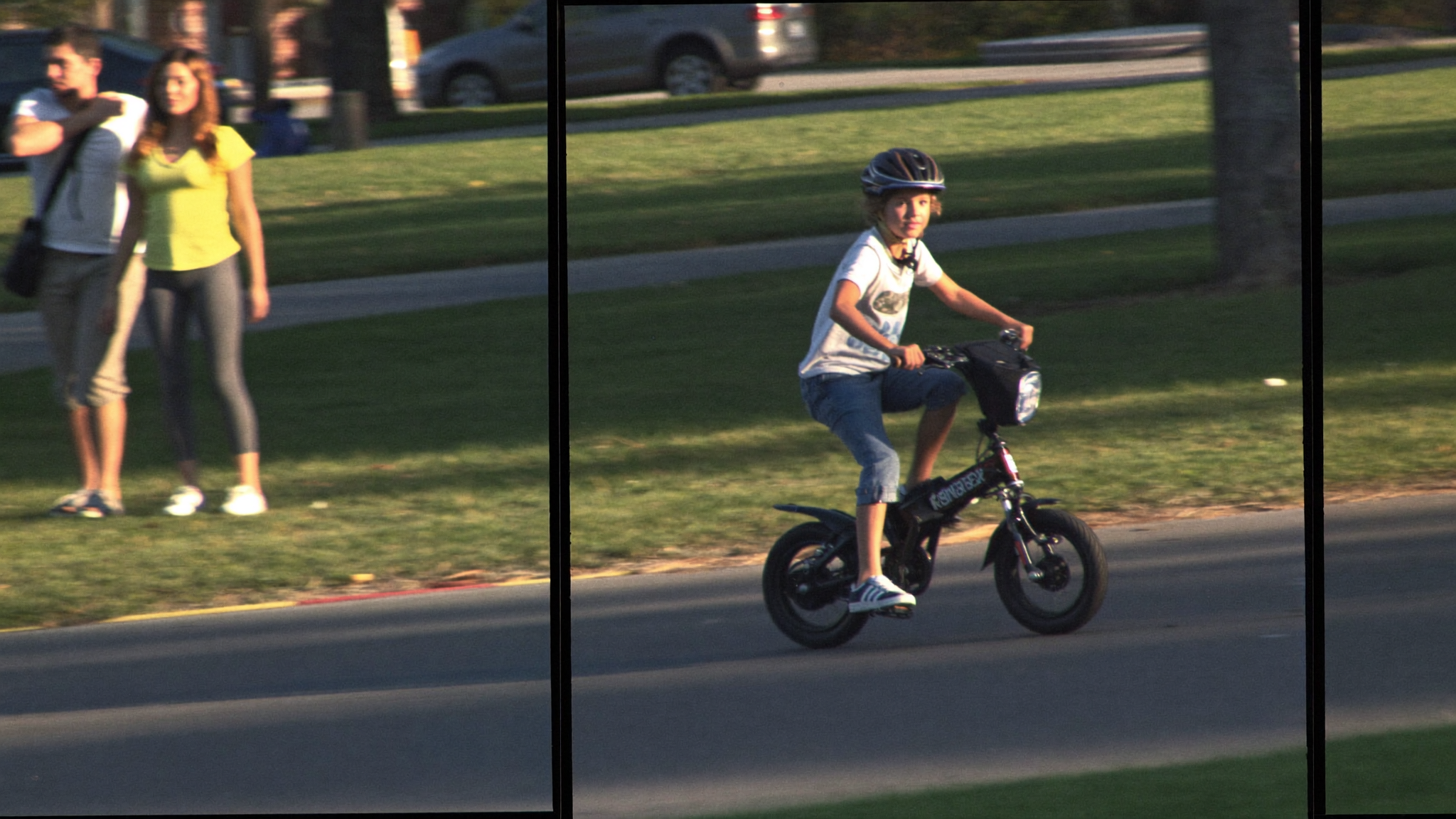
The exact scenario California's Attorney General is warning parents and buyers about.
Somewhere on a bike path near you, something that looks like an e-bike is going 35 mph. Under California law, it stopped being an e-bike the moment it crossed 28 -- and this spring, the state's top prosecutor said so out loud, by name, in writing.
On April 14, 2026, Attorney General Rob Bonta and three county District Attorneys issued a joint consumer alert titled "Too Fast, Too Furious," warning that two-wheelers exceeding e-bike speed limits are legally mopeds or motorcycles -- and riding or selling them as e-bikes can be a crime.
What the Attorney General actually said
The alert draws a hard line on California's three e-bike classes: Class 1 (pedal-assist, 20 mph cap), Class 2 (throttle, 20 mph cap), and Class 3 (pedal-assist, 28 mph cap, riders 16+ with a helmet). Anything faster -- including bikes that have been "unlocked" or modified past their factory limiter -- legally becomes a motorcycle or moped. That means an M1/M2 license, DMV registration, and insurance. Riding one without those isn't a gray area; the AG's office called it a potential crime.
The timing isn't random. Local coverage tied the alert to a string of fatal crashes involving modified, overpowered e-bikes, and Amazon reportedly pulled some e-bike listings from its California marketplace around the same period. Separately, a state law (SB 1271) has required e-bike batteries and chargers sold in California to carry accredited safety certification since January 1, 2026 -- aimed at the fire risk from uncertified battery packs, a different problem but part of the same push toward tighter oversight.
What this means if you're buying (or already own) one
Nothing about your Class 1, 2, or 3 e-bike changes if it's genuinely stock. The risk sits with bikes marketed as e-bikes that are secretly derestricted, and with batteries bought loose online with no certification paperwork. A local shop that sells and services e-bikes for a living isn't going to hand you something that turns your registration into a legal problem -- that's a big part of what "buy local" actually protects you from, beyond just having someone to call when a brake pad wears out.
If you're in the Long Beach area, our ranked guide to Long Beach eBike shops is a good place to start -- every shop listed there sells and services standard, road-legal Class 1-3 bikes.
Sources: California DOJ consumer alert → · CHP on SB 1271 →

California riding country.
Buying an eBike in California?
Check the full rulebook, or find a verified local shop that sells the real thing.
California E-Bike Laws Guide → Browse California Shops →